ERP systems built around real enterprise operations across the GCC
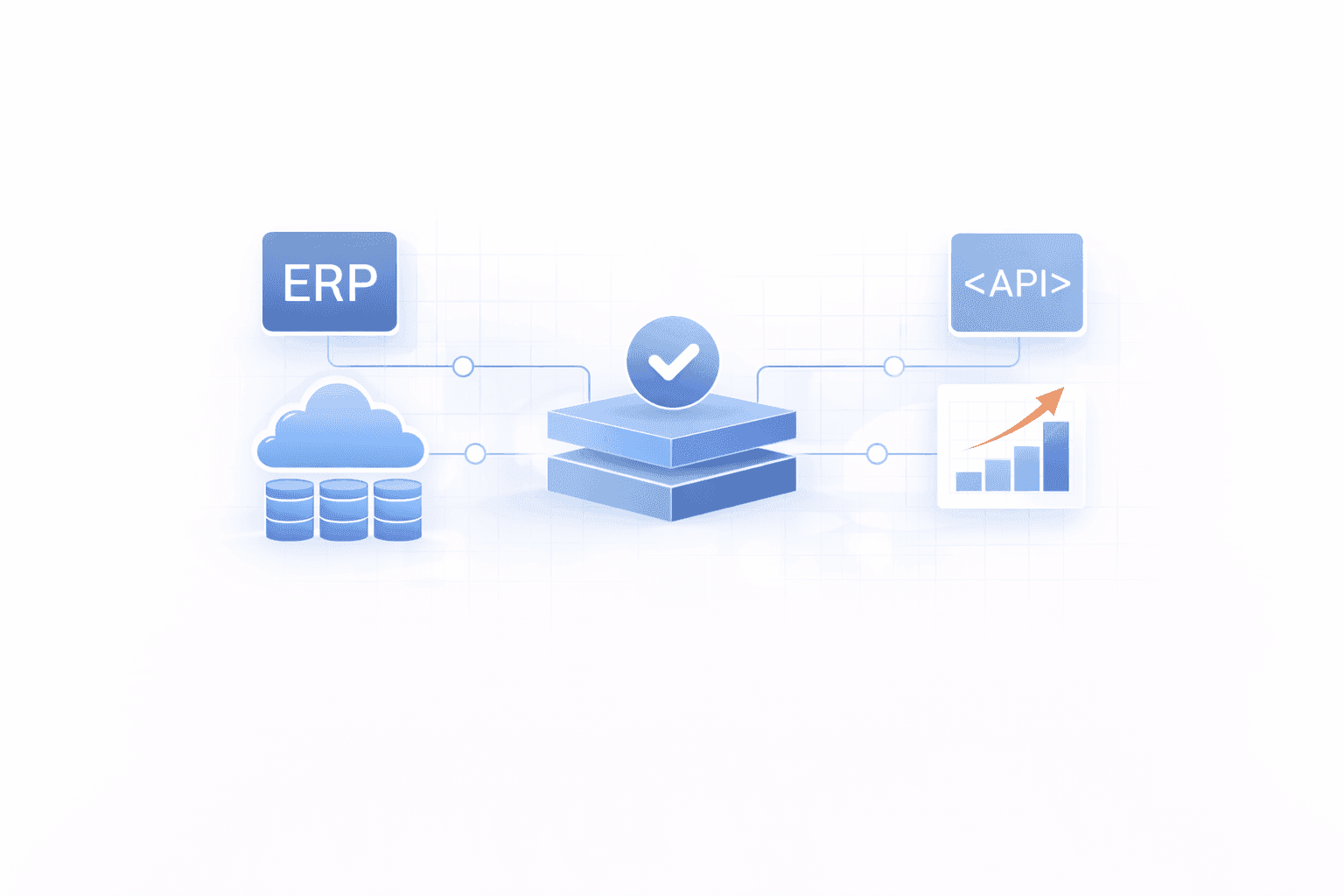
We design and implement scalable ERP systems that unify operations, improve visibility, and support enterprise workflows across finance, HR, and core business functions.
When Do I Need ERP system?
- My operations rely on disconnected systems and manual coordination
- Financial, operational, and reporting data are inconsistent
- Scaling operations increases complexity instead of efficiency
- My ERP system does not reflect actual business workflows
If this reflects your current environment, it may be time to rethink your ERP software.

End-to-end ERP system development and implementation
We design, build, and operate ERP systems aligned with real enterprise workflows, governance structures, and long-term operational needs.
- Business process analysis across departments
- ERP architecture aligned with real workflows
- Governance and approval structures
- ERP roadmap and phased implementation
- Enterprise-grade ERP software tailored to operations
- Custom ERP platforms (web & enterprise-grade systems)
- Finance, HR, procurement, and operations modules
- Role-based dashboards and workflows
- Secure, scalable backend systems
- Integration with CRM, portals, and legacy systems
- Data synchronization across departments
- Secure APIs and controlled data flows
- Approval workflows and policy enforcement
- Audit trails and operational visibility
- Role-based access and permissions
- Compliance-ready system design
- Performance monitoring
- Workflow optimization
- Scalability planning
- Long-term system ownership and support
- Feature prioritization aligned with business needs
- Adoption tracking across teams
- Continuous improvement frameworks
Operational impact across enterprise ERP systems
Well-designed ERP systems transform fragmented operations into structured, scalable, and governed environments.

Unified operations across departments

Improved financial and operational visibility

Consistent policy enforcement across teams

Scalable operations without increasing complexity
How We Implement ERP Systems
Our ERP implementation approach ensures alignment with operations, minimal disruption, and long-term system adoption.
We analyze real business operations across departments to define how the ERP system should function.
Outcome:
ERP aligned with actual workflows, not assumptions
Assessment of data quality, system dependencies, and integration points.
Outcome:
Clean, structured data and integration readiness
Design of ERP architecture, modules, workflows, and governance structures.
Outcome:
A scalable and secure ERP system blueprint
Connecting ERP with existing platforms, tools, and data sources.
Outcome:
Unified operations across systems
Gradual rollout of ERP modules with controlled adoption.
Outcome:
Minimal disruption and higher adoption rates
Continuous performance tracking and system improvements.
Outcome:
Long-term scalability and operational efficiency
Where ERP systems drive operational value
ERP systems create the most value when aligned with core business functions and operational workflows.
- Financial tracking and reporting
- Budgeting and cost control
Typical environments:
Enterprises, finance-driven organizations, multi-entity businesses
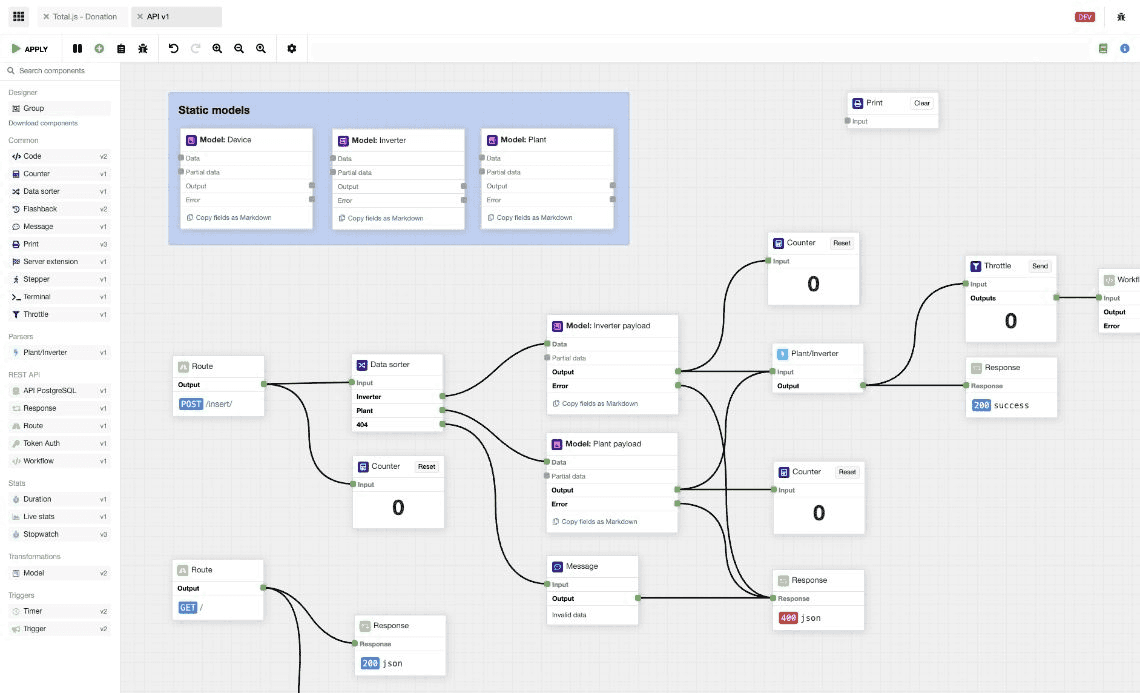
- Vendor management and procurement workflows
- Inventory and logistics tracking
Typical environments:
Logistics, retail, manufacturing
- Payroll and employee lifecycle management
- Performance and workforce tracking
Typical environments:
Large enterprises, government entities
- Cross-company reporting
- Centralized governance and shared services
Typical environments:
Holding groups, regional enterprises, conglomerates
Financial & Accounting Operations
- Financial tracking and reporting
- Budgeting and cost control
Typical environments:
Enterprises, finance-driven organizations, multi-entity businesses
Procurement & Supply Chain
- Vendor management and procurement workflows
- Inventory and logistics tracking
Typical environments:
Logistics, retail, manufacturing
HR & Workforce Management
- Payroll and employee lifecycle management
- Performance and workforce tracking
Typical environments:
Large enterprises, government entities
Multi-Entity & Group Operations
- Cross-company reporting
- Centralized governance and shared services
Typical environments:
Holding groups, regional enterprises, conglomerates
Let’s assess your ERP system requirements
A focused discussion to identify how ERP systems can unify operations, improve visibility, and support scalable enterprise growth.